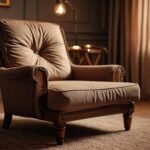
How to Choose Armchair Colour That Complements Your Decor?

You can easily elevate your living area from basic to remarkable once you know the right way to choose the perfect armchair colour. Your colour selection determines both how your room looks and the emotional ambiance throughout your home.
The armchair functions as both a practical seating solution and an artistic element that helps to unify the entire space when decorating a new area or refreshing an existing one.
Selecting the colour for an armchair requires you to evaluate several elements such as your current furniture pieces, room dimensions, lighting conditions and your individual style choices.
Choosing the right armchair enables it to stand out as the room’s centerpiece while either blending seamlessly with your existing décor or creating a contrasting look that draws attention. Learning about colour theory alongside room dynamics and design principles enables you to make a lasting decision you will appreciate for years.
How to Choose Armchair Colour? 7 Tips
Kuka by Arterio’s prominent furniture store in Delhi offers a vast selection of armchairs that come in numerous colours and styles. A thorough evaluation of important elements is essential to select an armchair that will perfectly enhance your living space.
Tip 1: Assess Your Existing colour Palette
Your first step should be to analyze the existing colours found in your room. Examine the current colours of your walls, flooring, curtains and other furniture pieces. A space dominated by neutral hues like beige, grey, or white allows you to add bold colour accents with more freedom.
When adding an armchair to a room with a colour scheme select a piece that either matches or thoughtfully differs from the established colours. Photograph your room under various lighting conditions to see how colours shift and interact during the day.
Assemble a colour inventory by gathering samples from the decorative elements present in your space. Your collection should incorporate paint chips from walls and fabric swatches from curtains together with photos featuring artwork or decorative pieces.
Understand undertone characteristics because warm greys contain beige or yellow tones whereas cool greys show blue or purple hues. By learning to recognize these delicate distinctions you can choose an armchair colour that creates harmony instead of conflict.
The 60-30-10 rule divides colours into three parts with 60% as the dominant colour and 30% as the secondary colour and 10% as the accent colour. The function of your armchair will vary according to your specific design objectives.
Tip 2: Consider Room Size and Lighting
The size of a room together with natural lighting alters how colours appear inside that space. Light colours such as cream, pale blue, or soft grey create the illusion of extra space in compact rooms.
Rooms with plenty of natural light can successfully feature dark colours like navy, burgundy or forest green. Choose warmer colours for rooms facing north and cooler tones for those facing south.
The way we perceive colours depends heavily on artificial lighting systems. Incandescent bulbs produce a warm yellow light which makes reds and oranges appear more vivid but reduces the intensity of blues and greens.
LED lights with cool colour temperature settings enhance the brightness of blues and greens, but weaken the appearance of warmer colours. Evaluate your selected armchair colour by observing it under both daylight and artificial light at various times.
The presence of reflective surfaces such as mirrors or glass tables in your room can influence how colours appear by magnifying or modifying their perception. Your armchair fabric texture changes light reactions with the colour because matte finishes absorb light and glossy or silky textures reflect light.
Tip 3: Understand colour Psychology
Each colour generates distinct emotional responses and energy levels. The colour blue generates a soothing atmosphere which makes it perfect for reading spaces.
Red creates an energizing atmosphere and promotes lively discussions especially suitable for areas where people gather.
Green creates a sense of balance and calmness and yellow brings happiness and warmth. Select colours that create an emotional atmosphere which matches the desired feeling for your space.
How intense a colour appears influences its psychological effect on people. Soft pastels create calming environments perfect for relaxation while bold saturated colours produce energetic and exciting spaces.
Purple embodies both opulence and imaginative thought which makes it perfect for elegant home offices and living spaces. Orange merges red’s dynamic energy with yellow’s joyful nature to produce inviting social spaces.
The earth tones, brown and terracotta, establish stability within a space and evoke feelings of comfort. When selecting colours for your work space ensure they support focus and enhance productivity. Choose colours for entertainment spaces that stimulate social engagement while establishing a welcoming environment.
Tip 4: Plan for Longevity
Fashions in colour trends appeal initially but run the risk of becoming outdated soon. Timeless hues such as navy, charcoal, cream and rich brown consistently maintain their stylish appeal over time.
When you appreciate current colour trends, choose to express them with easily changeable decor items like throw pillows and blankets instead of large furniture pieces. Reflect on your inclination towards continuous redecoration versus choosing long-lasting home investments.
When choosing quality armchairs you should prioritize investment thinking because they need to last for many years. Rooms with neutral base colours enable easy style updates through artwork and textiles without needing to replace main furniture items.
Avoid letting trend anxiety stop you from selecting colours that truly resonate with you. Any high-quality armchair painted in a colour that makes you happy will always suit your living area.
Your future lifestyle changes should influence your colour choices because colours that match your current preferences might not fit into upcoming family dynamics or living conditions.
When you feel hesitant about bold colours pick a versatile colour that suits various decorating styles so your room’s aesthetic can develop over time.
Tip 5: Coordinate with Your Sofa
When purchasing luxury living room furniture you must carefully consider how your armchair will work with your sofa.
You need not strive for perfect matches as slight variations between pieces often create a more sophisticated appearance than exact replicas. Opt for an armchair with a complementary shade or select a patterned option that uses the solid colour of your sofa.
Use analogous colours from near each other on the colour wheel or complementary colours from opposite positions to achieve successful coordination with dynamic contrast.
Select one of the secondary colours from your sofa’s pattern to use for your armchair. If your sofa has a large and bold presence you should choose an armchair with a more subdued colour to maintain balance.
A neutral sofa serves as a foundation for an eye-catching vibrant armchair that establishes itself as the room’s focal point. The texture of fabric influences how similar colours appear because different textures reflect light uniquely.
The way light reflects off velvet, linen and leather makes colours appear distinct from one another. Your seating arrangement should display visual appeal while achieving overall harmony.
Tip 6: Factor in Maintenance Requirements
Practical considerations matter as much as aesthetics. Because light colours make dirt and stains more visible furniture needs more cleaning. While dark colours effectively conceal wear patterns they can attract pet hair and dust to their surfaces.
When selecting your furniture colour take into account your lifestyle habits household composition and the maintenance requirements you prefer. Mid-tone coloured fabrics deliver an ideal mix between style appeal and functional benefit.
Evaluate your household’s specific needs honestly. Darker colours and patterns help hide spills and wear in homes where children or pets live.
Very dark colours tend to reveal lint and pet hair along with dust particles more clearly. Textured materials and understated designs hide small marks and wear spots more effectively than flat, monochromatic surfaces.
Fabric materials possess different staining resistance properties that function independently from their colour choices. Furniture that receives frequent use benefits more from microfiber materials and treated fabrics compared to natural fibers.
Selecting a lighter colour which demands regular maintenance requires you to match it with your cleaning habits and allocate funds for professional maintenance services as necessary.
Tip 7: Test colours in Your Space
Do not decide on final colour options by examining them only under showroom lighting or from online images. Obtain fabric samples to keep at home or go to showrooms several times to evaluate how colours appear in varying lighting conditions.
Position fabric samples within your room to watch how they appear during different times of the day. Fabrics that look flawless during afternoon sun exposure will appear completely different when lit by evening lamps.
Move fabric samples throughout your room for a week to observe their appearance from various perspectives during different times of the day.
Snap pictures of the samples within your space so you can review them later and involve family members for their feedback. Be aware that seasonal lighting changes cause colours to look different between summer and winter because of the variations in daylight duration and brightness.
Whenever possible test similar coloured items through borrowing or rental arrangements before committing to buy.
A number of retailers provide home trial periods or generous return options for customers to test furniture within their personal spaces. Investing time in testing helps you avoid expensive errors and guarantees your satisfaction with the choice over time.
Bring Personality Home with Armchair Colour Choice
The process of selecting the ideal armchair colour involves finding harmony between personal style choices and functional necessities. These seven tips enable you to choose a colour that enriches your space and mirrors your personality while delivering enduring satisfaction.
Your living area will achieve its ideal appearance when you pick an armchair colour that blends with your current décor and serves as the perfect finishing touch.
To find suitable armchair colours that complement your brown sofa or fit with other furniture in your living room, you need to select a hue that matches your personal style.
In Delhi, Kuka by Arterio stands as a top destination for modern designer furniture in Delhi, delivering quality pieces that integrate style with comfort and durability. Discover the perfect armchair for your living space by visiting their showroom today.
Always measure armchair dimensions in inches to verify proper fit and remember that mismatched armchairs can serve as a unique design feature in your living room. The correct pairing of armchair with sofa enables the creation of a unified appearance.
Ready to find your perfect armchair? Discover the wide range of colours and styles available in Kuka by Arterio’s armchair collection.